
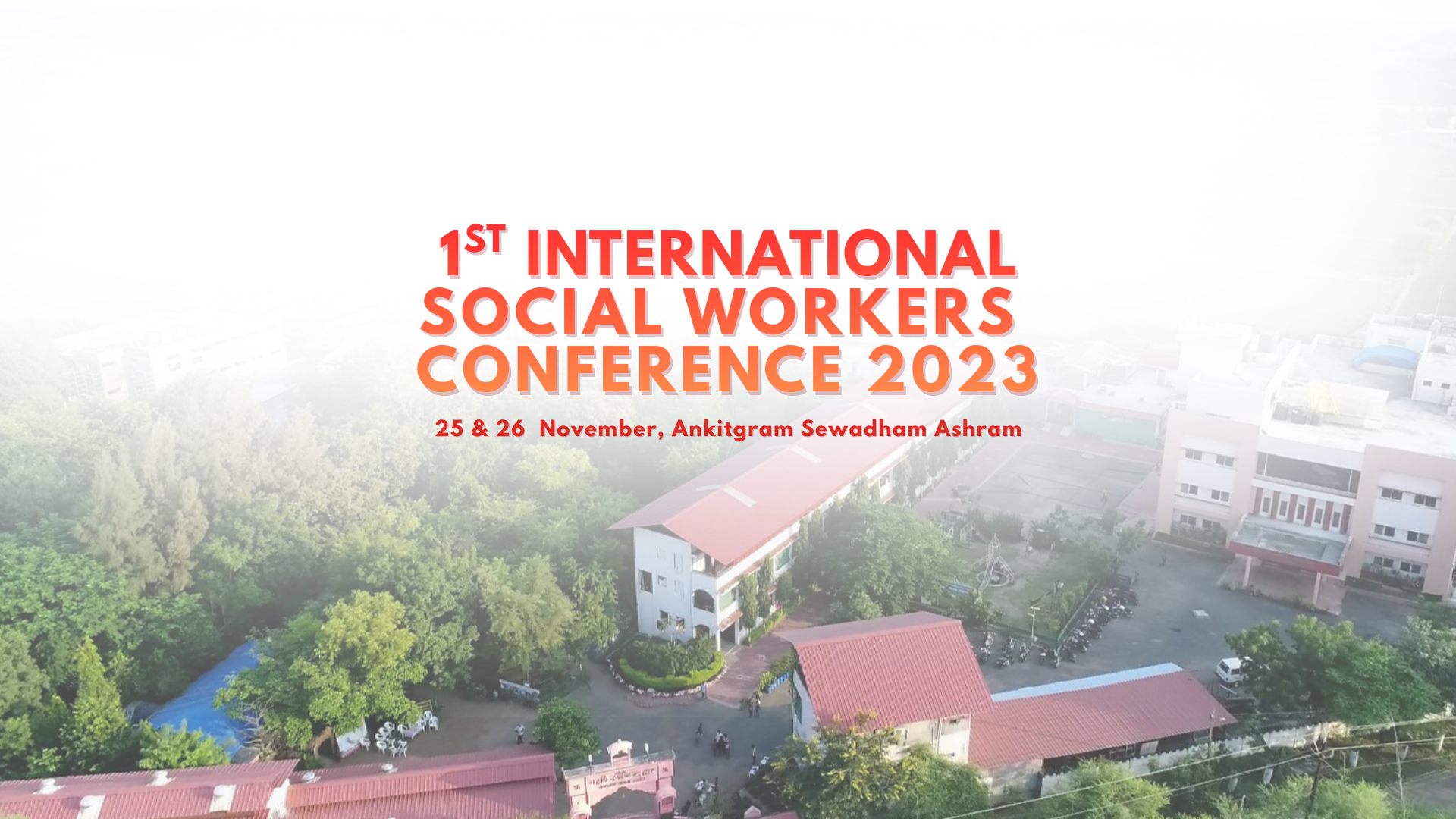
On November 25-26, 2023, the inaugural International Social Workers Conference (ISWC) was held at Ankitgram Sewadham Ashram, Ujjain. Home to over 1,150 residents from across India, Sewadham stands as a living example of dignity, inclusion, and human resilience.
Delegates pledged to strengthen the social impact ecosystem through dialogue, recognition, and cross-sector collaboration.
PANEL 1: ROLE OF GOVERNMENT IN SOCIAL WORK

Shri Anurag Krishna
Senior Consultant, TCS
|

Shri Bharat Bhai Patni
Member, DWBDNC
|

Shri Kumar Purushottam
Collector, Ujjain
|

Dr Dipti Kotasthane
Dy. Dir, Vimukt Vibhag
|
Discussion and Insights
The government is well-equipped with resources and funding to drive social impact through numerous central and state schemes, aimed at benefiting vulnerable citizens and marginalized communities.
Despite resource abundance, effective implementation is hindered by a lack of specialized expertise, limited incentives for personnel, and administrative barriers that restrict innovation and accountability in social welfare delivery.
RECOMMENDATIONS
Robust partnerships between government agencies, NGOs, academia, and private sector players are essential to maximize social impact, leverage specialized skills, and advance innovative welfare solutions.
Establishing a dedicated social services cadre, strengthening monitoring frameworks, increasing funding for underserved areas, and embracing technology will create sustainable change and enhance the professionalism of government social work.
PANEL 2: THE ROLE OF ACADEMIA IN SOCIAL WORK

Shekhar Sanyal
Country Dir, IET
|
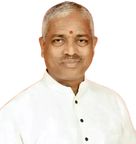
Shri BR Shankranand
National Secretary, BSM
|
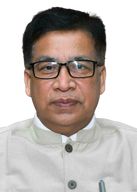
Dr Akhilesh Pandey
VC, Vikram University
|
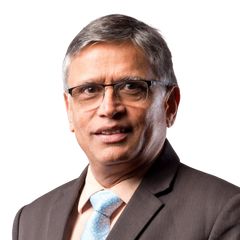
Prof Dr Sandeep Sancheti
ProVC, Marwadi Univ
|

Prof Dr Ajay Rana
DG, Amity University
|

Dr K. Raghuvanshi
Ramanujan College, DU
|
Discussion and Insights
Social work was framed as a nation-building force that shapes future generations, with academia tasked to embed social work values across curricula and campus life to influence society's fabric at scale.
Challenges include positioning social work as an aspirational career which calls for targeted outreach to talented youth, structured incentives such as scholarships and mentorships, and concrete moves toward pay parity with comparable professions to attract and retain top talent.
RECOMMENDATIONS
Educational ecosystems must actively remove biases against social workers and dispel the myth that credibility requires renouncing comfort, reaffirming dignity, professionalism, and modern career pathways in the social sector.
A strong institutional safety net is essential covering loans, health insurance, children's education support, specialized medical care, and old-age facilities.
The session closed with a call to translate these recommendations into actionable policy and programs.
PANEL 3: ROLE OF CORPORATES IN SOCIAL WORK

Shri Mohan Raju
VP Reliance Jio
|
Shri Anurag Krishna
Sr Consultant, TCS
|

Shri Sameer Mahapatra
Country Mgr, Aeris
|

Shri Amit Choudhary
CEO, Galvanic
|

Mr Sumit Grover
SVP, Tech Mahindra
|
Discussion and Insights
There is a strong need for businesses to institutionalize employee opportunities for social work, at least once every business year with formal recognition to encourage active participation and foster a culture of service.
Chief Human Resource Officers (CHROs) need to consider integrating social work efforts into employee KPIs, alongside mechanisms to record and recognize initiatives carried out with independent social organizations, ensuring broad appreciation for all forms of social impact.
RECOMMENDATIONS
There must be a proactive drive to include external social workers, volunteers, and organizations in corporate CSR programs, facilitating cross-corporate participation for shared learning, innovation, and greater community outreach.
The sector should support establishing a "Corporate Social Work Congress" as a national collaborative platform and work with government and academia to develop accreditation mechanisms, raising standards and professionalism across social work, social bodies, and institutions.
PANEL 4: ROLE OF SPIRITUAL INSTITUTIONS IN SOCIAL WORK

Shri Anand Gaud Ji
Psycho-social Therapist
|

Shri Mahesh Guru Ji
Shri Kshipreshwardham
|

Balyogi Umeshnath Ji
Valmiki Dham, Ujjain
|

Mandakini Puri Ji
Niranjini Akhada
|

Shri Mehul Sanghvi Ji
Businessman, Indore
|
Discussion and Insights
Religious institutions have played a historic and ongoing role in delivering social welfare offering healthcare, education, poverty relief, and disaster response through their deep-rooted community trust and extensive infrastructure.
While their strengths include vast volunteer networks and local presence, yet they often face obstacles such as limited collaboration with formal agencies, diverse governance models, and a need for professional training among volunteers.
RECOMMENDATIONS
Interfaith partnerships can greatly amplify the reach and effectiveness of social initiatives, helping reduce stigma and integrate faith-based organizations into broader mainstream social work efforts where religious teachings inspire sustained action.
Encouraging collaboration between religious groups, government, academia, and NGOs, professionalizing volunteer training, ensuring transparency, and upholding beneficiary rights will maximize faith-driven social welfare and foster inclusive, impactful programs.